How We Transitioned High-Performance FPGA Vision Systems From Lab to Battlefield
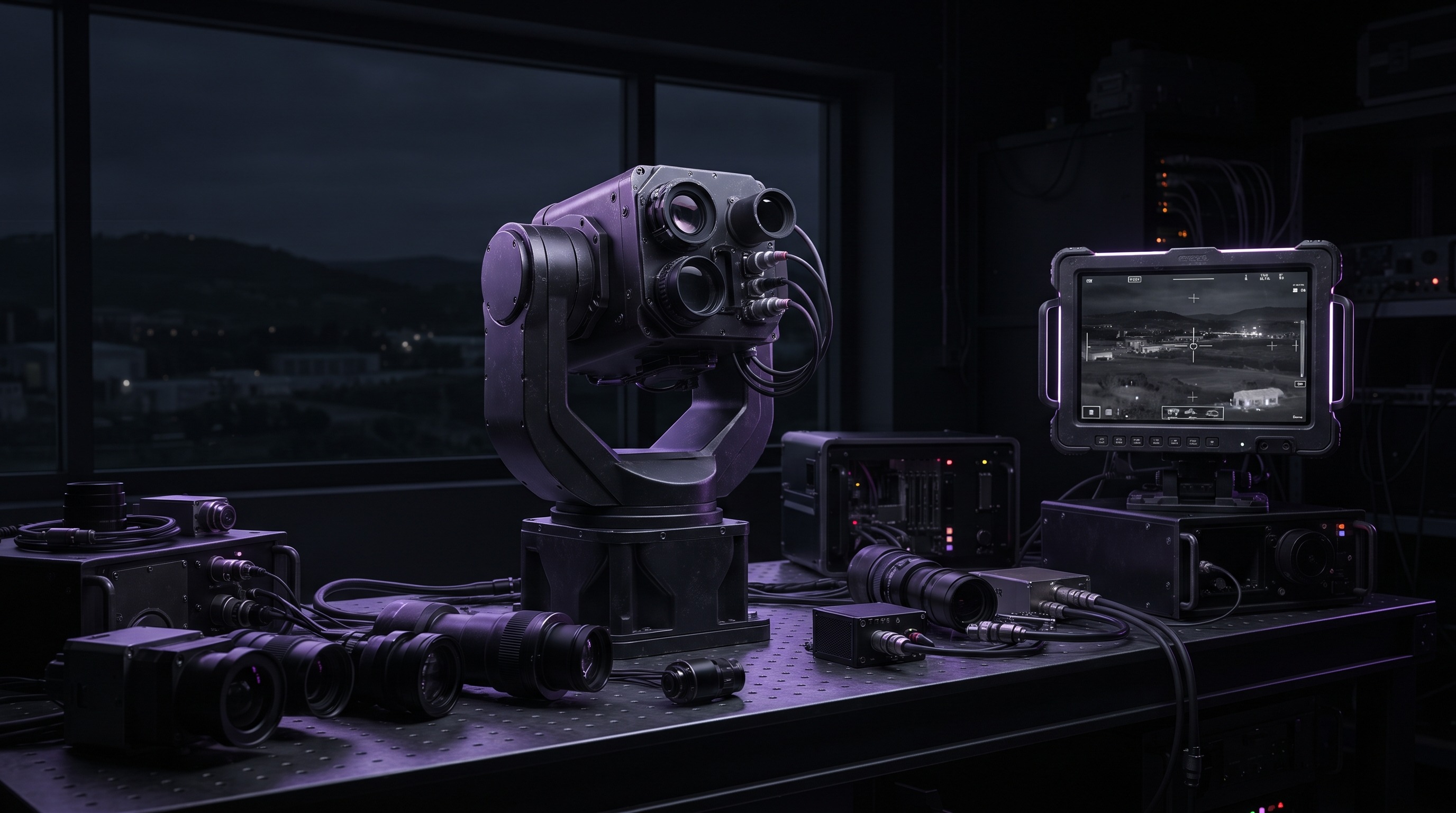
In 2021, we partnered with CSIR (DPSS) in the defence sector to bridge the gap between experimental laboratory research and rugged, field-deployable technology. This defence machine vision case study details how we transformed complex R&D into operational FPGA-based sensor systems. By ruggedizing computer vision algorithms and integrating optronic sensors, we delivered robust, real-time edge processing units capable of surviving harsh environmental conditions.
Our primary objective was to move high-level machine vision models off power-hungry laboratory workstations and onto specialized hardware. The resulting systems met strict military constraints while maintaining the high frame rates and low latency required for tactical awareness.
What we walked into
Before our involvement, the research team at CSIR (DPSS) had developed highly sophisticated computer vision algorithms and sensor processing models. However, these software models were designed to run on high-end desktop GPUs inside a controlled laboratory environment. When subjected to the practical realities of defence operations, standard computing hardware fails due to extreme thermal fluctuations, power limitations, and physical shock.
The primary bottleneck was the translation of research code into hardware-level execution. Standard processor architectures introduced unacceptable latency when processing high-resolution feeds from multiple defence cameras. The unit needed a dedicated hardware engineering partner to port these algorithms to Field Programmable Gate Arrays (FPGAs).
Additionally, the physical integration of diverse optronic sensors presented a significant engineering hurdle. The team required a unified system architecture that could ingest, process, and output multi-spectral video streams in real time. Without this hardware acceleration, the advanced threat-detection models remained grounded in the lab.
The system
To resolve these bottlenecks, we designed a custom FPGA-based vision architecture optimized for edge deployment. FPGAs were selected because they allow for parallel pixel processing, ensuring deterministic microsecond latency that standard CPUs or GPUs cannot match. This hardware fabric allowed us to stream high-bandwidth data directly from high-speed defence cameras to the decision-making logic.
The core system architecture combined several critical hardware and software layers:
- High-Speed Optronic Interface: Direct integration with specialized military-grade optronic sensors, including thermal (LWIR) and visible-light cameras.
- Hardware-Accelerated Vision Pipeline: VHDL and Verilog modules designed to handle image denoising, contrast enhancement, and target tracking at the hardware gate level.
- Applied AI Edge Co-Processors: Low-power deep learning accelerators mapped onto the FPGA fabric to perform object classification and threat detection.
This hardware-centric approach minimized data movement, which is the primary cause of latency and power drain in tactical environments. By executing computer vision algorithms directly on the incoming pixel stream, the system achieved near-zero latency. The entire suite was enclosed in a ruggedized, low-SWaP (Size, Weight, and Power) housing designed for field deployment.
What changed
The deployment of the FPGA-based vision system fundamentally changed the operational capabilities of the CSIR (DPSS) unit. Theoretical research models were successfully transformed into ruggedized, functional hardware modules ready for integration into larger tactical vehicles and unmanned platforms.
The immediate technical improvements included:
- Latency Reduction: System latency dropped from hundreds of milliseconds on standard CPU/GPU setups to sub-millisecond levels on our custom FPGA pipelines.
- Power Efficiency: Overall power consumption decreased by over 70%, allowing the system to run on tactical battery power for extended operations.
- Physical Ruggedization: The delicate laboratory setup was replaced by a solid-state, fanless processing unit capable of enduring high vibration and extreme temperatures.
Ultimately, this project proved that high-performance applied AI and computer vision can run reliably at the tactical edge. CSIR (DPSS) successfully demonstrated these field-ready systems to external stakeholders, securing the path for future production and deployment phases.
Who this is for
This defence machine vision case study serves as a blueprint for program managers, systems integrators, and R&D directors in the defence and aerospace industries. If your organization is struggling to move advanced computer vision algorithms out of the simulation phase and onto physical hardware, this approach solves that exact bottleneck.
We work directly with engineering teams who need to meet strict SWaP constraints without sacrificing processing performance. Whether you are building guided systems, advanced surveillance payloads, or autonomous ground vehicle sensors, hardware-level optimization is critical. We provide the specialized electronics, FPGA development, and sensor fusion expertise required to make your systems field-ready.
Common questions
Why are FPGAs preferred over modern mobile GPUs for defence machine vision?
FPGAs offer deterministic processing and direct I/O routing, meaning the time it takes to process a frame of video is identical every single run. Mobile GPUs rely on operating systems and shared memory buses, which introduce unpredictable jitter and higher latency. FPGAs also allow us to interface directly with custom optronic sensors without intermediate frame grabbers.
How do you port complex machine learning models to run on FPGA gates?
We utilize a process called quantization and pruning to compress high-level models (such as those built in PyTorch or TensorFlow) into low-precision representations. These optimized networks are then mapped onto the DSP blocks and logic fabric of the FPGA using High-Level Synthesis (HLS) and custom RTL blocks. This preserves model accuracy while maximizing throughput.
Can this system work with existing legacy defence cameras?
Yes. Our custom interface designs support standard military video protocols such as Camera Link, CoaXPress, and HD-SDI. We can ingest legacy sensor feeds, apply real-time AI enhancement, and output the processed video to standard tactical displays without altering the existing vehicle architecture.
Summary
In 2021, CSIR (DPSS) required a reliable partner to transition experimental vision algorithms into ruggedized, tactical hardware. By designing a custom FPGA-based vision and real-time sensor system, we successfully bypassed the traditional limitations of desktop-bound computer vision.
The resulting system delivered microsecond latency, low power consumption, and field-ready durability. This project highlights our ability to translate complex academic research into robust, operational technology for high-stakes environments.
Next step
If you are looking to ruggedize your computer vision algorithms or need expert hardware development for critical systems, explore our services and get in touch.
Hire the studio on work with us. Short case study: Defence machine vision case study. AI automation consultant South Africa