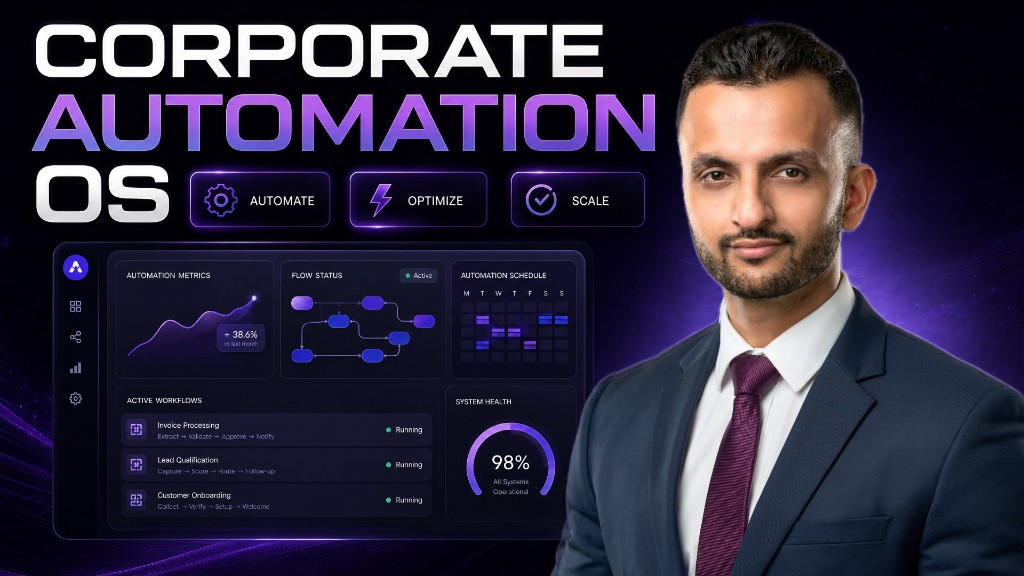
Beyond the Hype: Architecting Real AI Automation Systems for Sustainable Growth
In the rapidly evolving landscape of artificial intelligence, many entrepreneurs and business leaders find themselves caught in a common trap: obsessing over individual AI tools rather than focusing on building comprehensive, integrated automation systems. This tool-centric approach, while seemingly proactive, often leads to fragmented efforts, unfulfilled promises, and a significant missed opportunity for true business transformation.
At Augmented AI Automations, our philosophy, spearheaded by Ritesh Kanjee, is fundamentally different. We advocate for a strategic shift from chasing the latest AI trend or platform to architecting robust systems that deliver measurable return on investment (ROI). This means moving beyond the 'one tool, one workflow' mindset to embrace a holistic vision where AI and automation seamlessly integrate to solve real business problems, reduce repetitive work, and significantly enhance operational efficiency.
The Hidden Costs of Manual Processes and Tool Chasing
The Overload of Information and Manual Drudgery
Today's business environment is characterized by an abundance of information and an ever-increasing volume of repetitive tasks. Founders, operators, agency owners, and marketers are often buried under manual work, struggling to keep pace. They are constantly jumping between numerous tools, barely managing to keep up with AI advancements, content operations, client work, and internal processes all at the same time.
This relentless manual churn isn't just inefficient; it's a significant drain on resources. It leads to:
- Wasted Time: Hours spent on tasks that could easily be automated.
- Increased Human Error: Manual data entry and repetitive actions are prone to mistakes, leading to costly corrections and inconsistencies.
- Stagnated Growth: Businesses remain stuck in reactive modes, unable to scale effectively without adding disproportionate headcount.
- Decision Paralysis: Too much noise and not enough clear, actionable systems hinder strategic decision-making.
Why Point Solutions Fall Short
The allure of a single, shiny new AI tool can be powerful. However, focusing solely on one platform or AI trend without considering its integration into your broader business ecosystem often creates more problems than it solves. These point solutions can lead to:
- Siloed Operations: Different departments using disparate tools that don't communicate, creating new data silos.
- Technical Debt: A patchwork of unintegrated tools becomes difficult to maintain and update.
- Limited Impact: Automation efforts remain isolated, failing to deliver the enterprise-wide benefits that a systemic approach can provide.
- Vendor Lock-in: Over-reliance on a single platform can limit flexibility and future innovation.
Real automation is not about finding a magic bullet; it's about building a cohesive network of solutions that work together to achieve strategic objectives.
The Augmented AI Approach: Building Systems, Not Just Workflows
For Ritesh Kanjee and Augmented AI, automation is about practical application, not theoretical hype. It's about engineering intelligent systems that proactively solve problems and drive tangible business outcomes. This approach prioritizes:
- Reducing Repetitive Work: Freeing up valuable human capital for creative, strategic tasks.
- Minimizing Human Error: Ensuring consistency and accuracy across all operations.
- Enhancing Business Smoothness: Creating seamless workflows that optimize efficiency and reliability.
Integrating Diverse Technologies for Optimal Performance
True automation systems are rarely monolithic. They are often a sophisticated blend of various technologies and platforms, each chosen for its specific strengths and ability to integrate within the larger system. This could involve:
- n8n: For powerful, flexible workflow orchestration and integration across hundreds of applications.
- OpenClaw🥺: For specialized, often cutting-edge, AI-driven functionalities.
- Custom AI Models: Tailored solutions for unique business challenges like advanced data analysis or predictive insights.
- Interactive Dashboards: Providing real-time visibility and control over automated processes.
- Mix of Everything: Leveraging a combination of off-the-shelf tools, custom scripts, and AI services to create a truly bespoke and effective system.
The key is to understand how these diverse components can be orchestrated to form an intelligent, adaptive ecosystem that continually improves business performance and scalability without the need for unnecessary headcount.
Your Blueprint for AI-Driven Business Transformation
Building effective AI automation systems requires a structured, strategic approach. Here’s a blueprint to guide your transformation:
Identify Repetitive Work and Pain Points
The first critical step is thorough analysis. Where are your business's bottlenecks? What tasks consume the most time, are most prone to human error, or hinder scalability? This could include:
- Manual data entry across CRM, ERP, and marketing platforms.
- Routine email responses and customer support queries.
- Content generation, scheduling, and distribution.
- Lead qualification and sales outreach follow-ups.
- Financial reporting and data reconciliation.
By identifying these areas, you pinpoint where automation will yield the greatest impact and ROI.
Design a Holistic System
With pain points identified, begin designing an end-to-end solution. Think beyond individual tools and visualize how different AI and automation components can work together to streamline an entire process. This involves:
- Mapping Workflows: Clearly outline the steps involved in a process and where automation can intervene.
- Selecting the Right Tools: Choose technologies that fit the specific requirements of each step and can integrate effectively.
- Defining Data Flow: Ensure data moves seamlessly and securely between different parts of your system.
The focus must always be on the desired business outcome, not merely the implementation of a new tool.
Implement, Test, and Iterate
Effective automation is an ongoing journey, not a one-time project. Implement your systems incrementally, starting with smaller, manageable components. Rigorous testing is crucial to ensure accuracy, reliability, and security. Gather feedback, analyze performance metrics, and be prepared to iterate and refine your systems continuously. The goal is not immediate perfection, but consistent progress and measurable improvements in efficiency, consistency, and ROI.
The Corporate Automation Library: Empowering Founders and Operators
For those committed to mastering the art of building smarter business systems, the Corporate Automation Library offers an unparalleled resource. This exclusive community is meticulously designed for founders, operators, agency owners, marketers, and builders who are tired of manual drudgery and eager to leverage AI and automation for tangible results.
Within the Corporate Automation Library, members gain access to:
Drawing on Ritesh Kanjee's extensive experience, which includes building an audience of over 121,000 subscribers on YouTube and over 62,000 followers on LinkedIn by consistently sharing practical automation systems and real-world AI use cases, the Corporate Automation Library provides the blueprints and community you need to build smarter, more efficient, and more profitable operations.
Seize the Future: Transform Your Business with Smart Automation
The age of AI offers unprecedented opportunities for businesses to innovate, optimize, and scale. By shifting focus from individual tools to the strategic development of integrated AI automation systems, you can unlock significant efficiencies, reduce operational costs, and drive sustained growth.
Stop simply reacting to the latest trends and start proactively architecting the future of your business. Embrace the power of intelligent systems, reduce the burden of repetitive tasks, and empower your team to focus on what truly matters: innovation and strategic advantage. For those ready to move beyond the hype and build real-world AI automation solutions, explore communities and resources built on these principles, such as the Corporate Automation Library.