How We Built an Automated Demand Forecasting and Replenishment System for Rani’s Herbalist
For retail brands, empty shelves represent lost revenue and damaged customer loyalty. In this retail inventory automation case study, we detail how we solved this precise issue for Rani's Herbalist, a retail health and wellness brand, in 2026. We replaced a reactive, manual ordering process with an automated demand forecasting and store replenishment system. The result is an operation where reorders are triggered by predictive data rather than empty store shelves.
What we walked into
Rani’s Herbalist operated on a traditional supply chain model where stock traveled from suppliers to a central distribution center, and then out to retail stores. However, the system lacked end-to-end visibility. Store managers only realized they needed more product when the shelves were already empty, leading to major lag times in replenishment.
Because replenishment was reactive, the distribution center was constantly playing catch-up. Reorders to suppliers were placed based on historical guesses rather than actual velocity or seasonal trends. This resulted in frequent stockouts on high-demand items and bloated capital tied up in slow-moving inventory.
The system
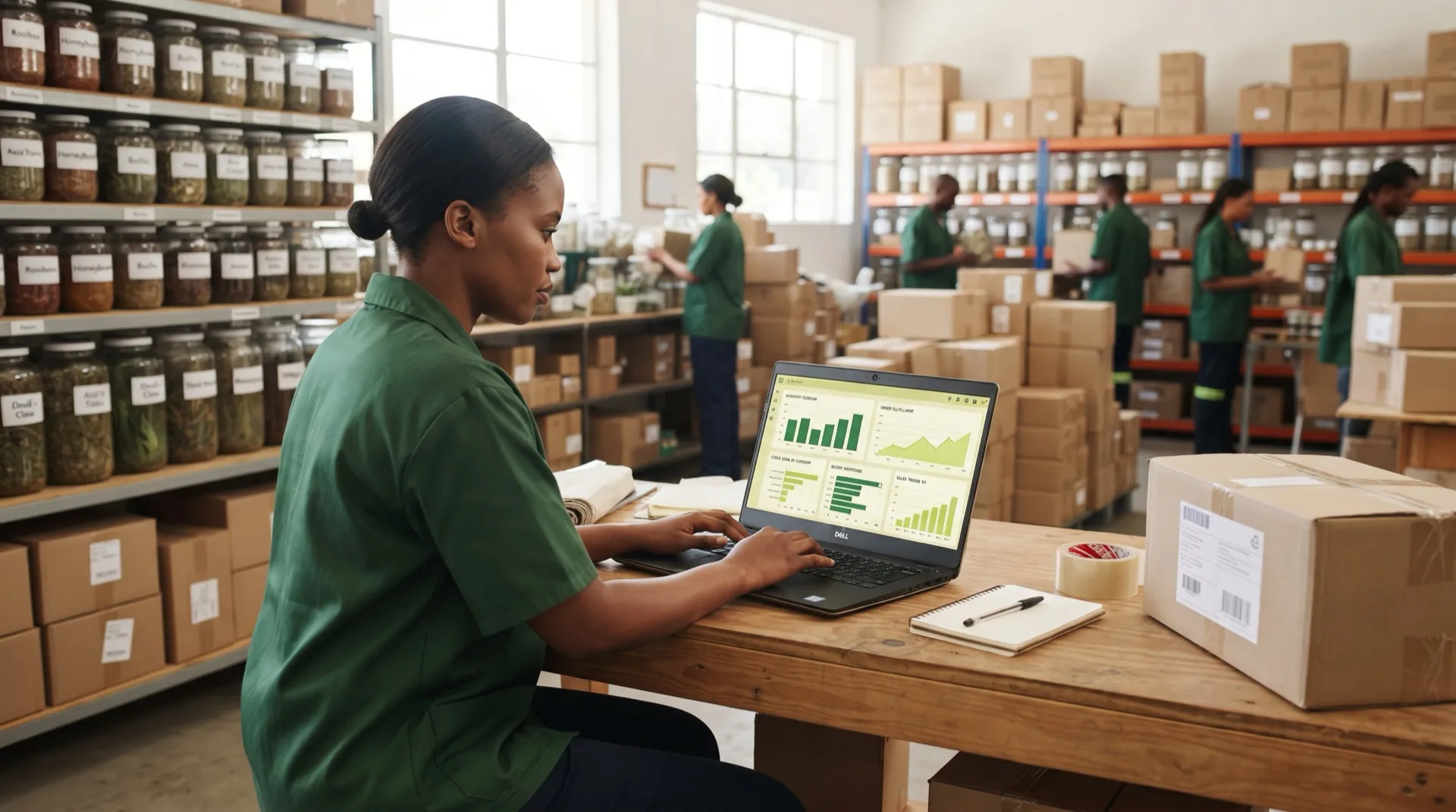
We engineered a custom inventory intelligence system that bridges the gap between sales velocity and procurement. The engine ingests daily sales data from point-of-sale systems and tracks movement from the distribution center directly to individual store shelves. It maps the entire lifecycle of every SKU in real time.
At the core of the system is a predictive forecasting engine that analyzes historical sales, seasonal demand spikes, and emerging market trends. Instead of waiting for a manual count, the system automatically calculates when stock levels will hit critical minimums based on supplier lead times. It then generates automated reorder flags, telling operators exactly what to purchase and when.
To make this data actionable, we implemented custom alerting thresholds. When a product's velocity increases unexpectedly, the system adjusts the replenishment cadence dynamically. This prevents stockouts during unexpected demand surges without requiring manual intervention from the operations team.
Additionally, we built a rationalization module that identifies underperforming SKUs. The dashboard highlights products with declining sales velocity, signaling to operators which items should be discontinued or discounted. This frees up valuable warehouse space and working capital for high-margin, fast-moving products.
What changed
The transition from reactive to predictive operations completely transformed the economics of Rani’s Herbalist. Store shelves remain consistently stocked because replenishment orders are now dispatched days before inventory hits critical levels. Stockouts have been virtually eliminated on core product lines.
By automating the forecasting process, the purchasing team no longer spends hours in spreadsheets trying to calculate order quantities. The system tells them exactly what is required to satisfy demand for the next cycle. This has reduced administrative overhead and dramatically improved order accuracy with suppliers.
The financial impact was realized almost immediately across the entire supply chain. Supplier relationships improved as order lead times became predictable and consistent. Emergency shipping fees, which previously ate into product margins during stockouts, were reduced to zero.
Finally, inventory health has reached an all-time high. By actively identifying and weeding out dead stock, the brand has optimized its distribution center footprint. Capital is no longer trapped in dust-gathering products, allowing the business to reinvest in high-performing inventory lines.
Who this is for
This type of infrastructure is designed for retail operators, inventory managers, and supply chain directors managing multi-location footprints. If you are currently relying on manual store audits, spreadsheets, or store-level gut decisions to place purchase orders, this system solves your operational bottleneck. It is particularly valuable for brands with high SKU counts or highly seasonal products where manual forecasting is impossible to scale.
If your distribution center is disconnected from real-time store sales, automating this flow is the highest-leverage operational upgrade you can make. Replacing manual workflows with predictive technology protects your margins and secures your supply chain against sudden market shifts.
Common questions
How long does it take to integrate a system like this with existing POS and ERP software? Integration timelines depend on your current data stack, but we typically build and deploy these custom pipelines within 8 to 12 weeks. We connect directly to your existing POS, warehouse management, and ERP databases via APIs to ensure no disruption to daily operations.
Can the forecasting engine handle highly seasonal products or sudden market trends? Yes, the engine uses historical sales history combined with trend weighting to adjust for seasonality. It learns from past promotional periods and holiday spikes, adjusting replenishment recommendations ahead of peak shopping seasons.
Does this system completely automate the purchasing process, or is there human oversight? We design the system to generate "draft" purchase orders and automated recommendations. This keeps your procurement team in control, allowing them to approve, adjust, or reject orders with a single click before they are sent to suppliers.
Summary
Rani’s Herbalist successfully shifted from a lagging, reactive inventory model to a highly efficient, predictive replenishment system. By unifying data from the supplier to the retail shelf, we eliminated the blind spots that cause stockouts and bloated warehouses. Retailers looking to protect margins and scale operations must move past manual inventory tracking.
Next step
If you want to transition your retail operations from reactive fire-fighting to predictive automation, let’s discuss your project.
Hire the studio on work with us. Short case study: Retail inventory automation case study. Business process automation consultant