How we unified LucidView’s brand and campaign operations on a single stack
Scaling a modern agency requires internal operations to match your external reputation. In 2025, we partnered with LucidView, a leading player in the marketing industry, to solve a critical growth bottleneck: their digital presence and campaign ops did not reflect the caliber of work they delivered to clients. This marketing automation case study details how we rebuilt their brand and automated their pipeline from the ground up.
What we walked into
LucidView was delivering exceptional creative work, but their backend systems told a different story. The sales pipeline lived in siloed databases, and launching a new campaign required hours of manual asset replication and data entry.
Their legacy brand identity was outdated, meaning their high-ticket sales decks did not align with their public-facing website. This fragmentation caused operational friction, slowed down pipeline velocity, and degraded the prospect experience.
Operators know that administrative drag eats margins. LucidView’s team was spending more time managing lead routing and content delivery than focusing on client strategy.
The system
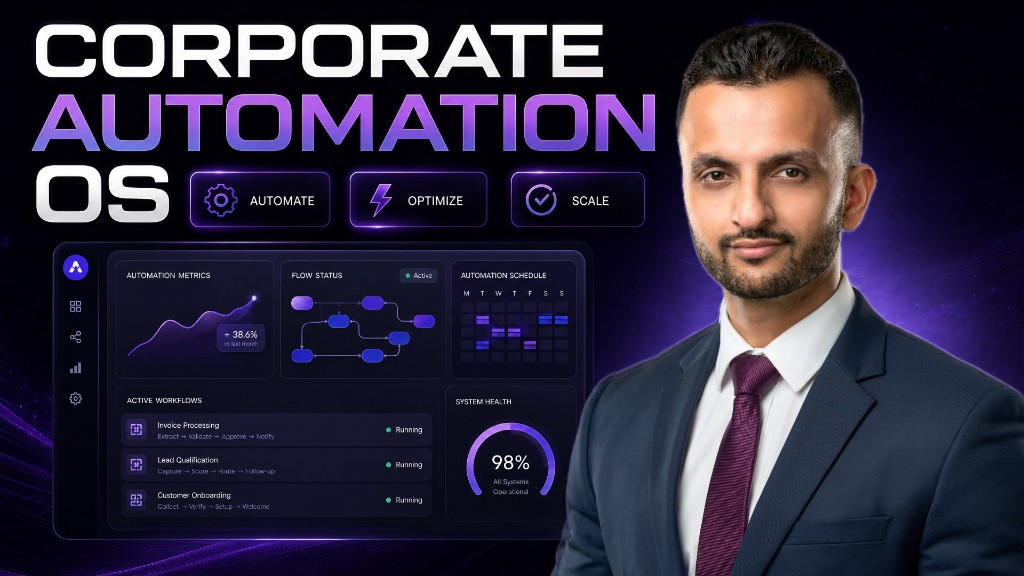
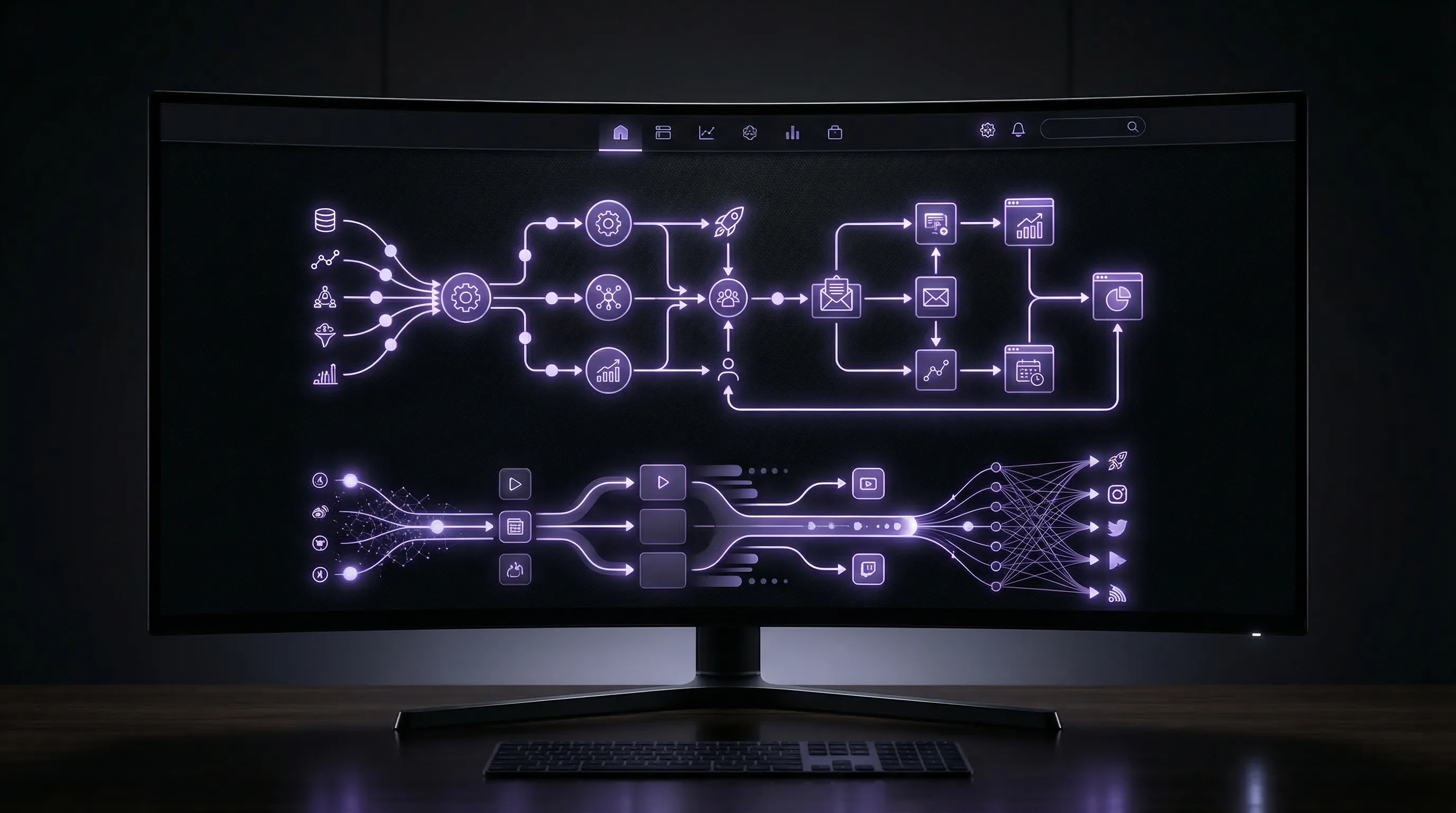
To resolve these operational bottlenecks, we built a unified digital engine that brings brand identity and campaign execution under one roof. The core objective was to ensure that every marketing touchpoint automatically triggers the correct downstream operational workflow.
We initiated a full visual identity rebrand, designing a modern design system optimized for both web and presentation materials. We then built a custom, high-performance website structured around a unified content delivery system.
Behind the frontend, we deployed a robust marketing automation layer using a centralized CRM and workflow engine. When a prospect interacts with the site or downloads resources, the system instantly routes the lead, tags the record with behavioral data, and triggers personalized content sequences.
This setup ensures that landing pages, email campaigns, and lead-nurturing pipelines run from a single, integrated platform. No manual handoffs, no duplicate data entry, and no broken links.
What changed
The transformation consolidated LucidView’s positioning and operational throughput into a single asset. Brand identity and pipeline operations now live on the exact same stack, eliminating the gap between how they look and how they run.
Campaign deployment times dropped from days to minutes. Marketing teams can now launch localized landing pages and automated email flows without needing developer intervention.
Prospects now experience a frictionless journey from their first touchpoint to booking a discovery call. The sales team receives pre-qualified, enriched leads directly in their dashboard, accompanied by full behavioral history.
Ultimately, the rebrand and automation engine have turned their digital presence into an active revenue driver rather than an administrative burden.
Who this is for
This operational overhaul is designed specifically for mid-market agency operators, professional services firms, and B2B companies generating high-value contracts. If your team is wasting hours manually updating leads, copy-pasting client data, or managing campaigns across five different software subscriptions, this architecture is built for you.
It is for leadership teams who realize that scaling requires more than just hiring more account managers. You need clean, automated pipelines that work round-the-clock without human intervention.
If your current digital presence does not reflect the premium quality of your delivery, unifying your brand and pipeline is the highest-leverage operational move you can make.
Common questions
How do you prevent data silos when integrating marketing automation?
We prevent silos by establishing a single source of truth, typically the CRM, and mapping all API integrations directly to standard data schemas. Every form submission, page view, and email interaction updates the primary contact record in real time, ensuring no duplicate profiles are created.
Why combine a rebrand with an operational automation build?
A brand is only as good as the system that delivers it. If you update your visual identity but keep legacy, slow-moving systems, the customer experience still feels broken. Rebranding alongside automation ensures that the user experience is premium from visual design down to response times.
What are the key components of a successful marketing automation case study?
A successful project must demonstrate a clear link between operational efficiency and business outcomes. In this build, success was measured by the reduction in campaign launch times, zero manual lead-routing errors, and a cohesive brand presentation across all digital channels.
How do you handle migration of legacy lead data?
We run deep data audits to clean, normalize, and format legacy contact lists before importing them into the new automated CRM. This process flags invalid emails, removes duplicates, and preserves historical interaction records so you do not lose context with existing pipeline opportunities.
Summary
We rebuilt LucidView’s digital presence by pairing a complete visual rebrand with an enterprise-grade marketing automation engine. By housing their brand and pipeline on the same operational stack, we eliminated manual campaign administrative tasks, sped up lead velocity, and gave their team a unified dashboard to manage operations. The result is a scalable, frictionless engine built for high-growth marketing operations.
Next step
If you are ready to remove operational drag and unify your pipeline, we can design a custom system for your business. Let’s build your unified digital engine.
Hire the studio on work with us. Short case study: Marketing automation case study. Business process automation consultant